TEL: +86-573-87471884 / 87471697
FAX: +86-573-87471537
Address: No. 205 Xinjiang Road Changan Haining, Zhejiang, China
E-mail: howardshen@263.net, goldcitylock@hotmail.com
Welcome to our website!

 Language

A brass padlock may look simple in a catalog, but a bulk order can go wrong in small ways. The body fits the price target, but not the gate. The shackle looks strong, but the clearance is too narrow for the chain. A lock selected for indoor cabinets may later be used outside in rain.
For industrial and wholesale buyers, brass padlock selection should start with the application. Size matters, but it is not the only factor. The locking point, shackle exposure, material, key system, packing format, and resale channel all affect whether the product works in the market.
GOLD CITY offers brass padlock options for B2B buyers, including standard shackle, long shackle, marine-use, plastic coated, computer key, dimple key, half closed shackle, and master key styles. This guide focuses on how to choose the right type before confirming a wholesale order.
The first question is not which padlock is biggest. The better question is what the lock needs to pass through.
A cabinet hole, toolbox latch, gate hasp, storage cage, and chain all require different clearance. A strong lock that cannot fit the locking point is still the wrong lock.
Before confirming a brass padlock order, buyers should check three basic dimensions:
· Body width
· Shackle diameter
· Inner shackle height and width
These details should match the actual hasp, chain, latch, or locking hole. In real wholesale orders, a few millimeters can decide whether the product fits cleanly or creates complaints from dealers.
A taller shackle can solve a fitting issue, especially on chains or wide hasps. For higher-risk gates or storage cages, a tighter fit is often the better choice.
Sample testing on the real locking point is more reliable than guessing from a product photo.
Body size affects strength, appearance, shackle diameter, price level, carton weight, and shelf positioning. A good brass padlock wholesale range usually includes more than one size group.
Size Range | Better Fit For | Buying Note |
15mm-25mm | Cabinets, small boxes, luggage, light retail packs | Better for volume retail, not exposed industrial use |
30mm-40mm | Lockers, toolboxes, storage rooms, small gates | Useful for mixed hardware and trade channels |
50mm-60mm | Warehouse doors, gates, cages, maintenance areas | Common choice for industrial padlock demand |
70mm | Larger chains, heavy gates, visible locking points | Better for selected heavy-duty demand |
One middle size may look efficient on a purchase order, but it rarely covers all customers. Retail shelves need smaller locks. Facility buyers usually ask for stronger medium and large sizes. Outdoor channels may need different shackle materials.
Shackle style is one of the easiest areas to get wrong. Longer is not always safer. Thicker is not always suitable. The shackle must match both the locking hardware and the risk level.
Standard shackle brass padlocks are suitable for cabinets, lockers, toolboxes, storage rooms, and many light gate uses. This style is usually the base item in a wholesale padlock program because it fits broad demand and is easy for dealers to sell.
Long shackle brass padlocks are better when the lock needs to pass through a wide hasp, chain, or hard-to-reach fitting. They are useful for maintenance teams, outdoor storage, agricultural supply, contractor channels, and some warehouse applications.
If the locking point does not require extra clearance, a standard shackle may be the cleaner choice.
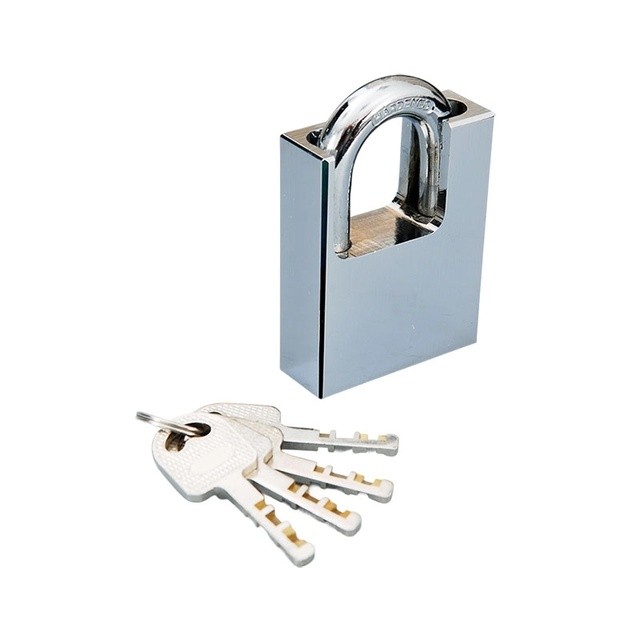
Half closed shackle brass padlocks reduce exposed shackle space. This design suits buyers who want a familiar brass body with better protection around the locking point. It can work well for storage cages, commercial gates, and facility areas.
A lock used on an indoor cabinet and a lock sold for coastal storage should not be specified the same way. Moisture, dust, outdoor exposure, and handling frequency all affect product choice.
For many general industrial applications, a brass body with a hardened steel shackle is commonly selected. The brass body gives corrosion resistance and a familiar hardware-market look. The hardened steel shackle helps improve resistance against cutting compared with softer shackle materials.
This type is often suitable for toolboxes, storage rooms, utility areas, gates, and warehouse use, depending on the actual exposure level.
For humid or coastal markets, marine brass padlocks with stainless steel shackles are usually a better fit. Stainless steel shackle construction is useful where rain, moisture, or salt air may shorten the working life of ordinary components.
Marine-use models should still be matched to the real environment. A lock used under cover near the sea and a lock exposed directly to rain and salt spray will not age the same way.
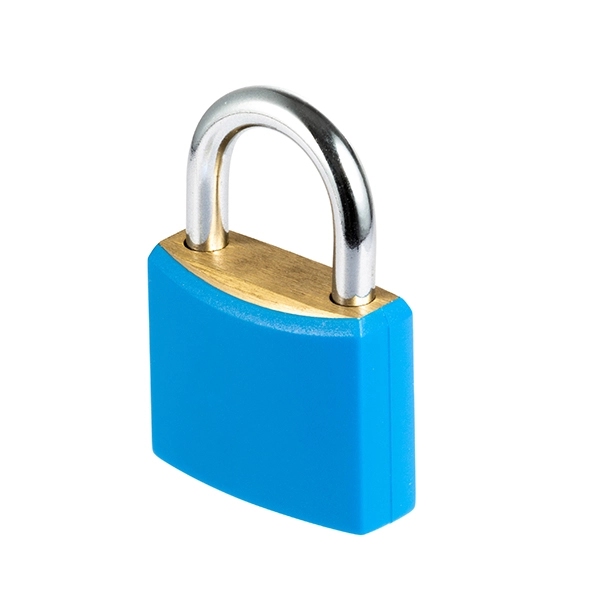
Plastic coated brass padlocks serve another purpose. They can reduce scratching on nearby surfaces and help create clearer retail shelf presentation. For hardware stores, coated or color-coded locks may also make product lines easier to separate by size or use.
Key arrangement should be settled before quotation, not after samples arrive. A correct lock body with the wrong key system can still create after-sales problems.
Keyed different brass padlocks are usually practical for open retail distribution. Each lock has its own key combination, which suits hardware stores, mixed wholesale channels, and general resale.
Keyed alike brass padlocks are useful when several locks need to open with one key. This can help maintenance teams, storage rooms, small warehouses, and facility users reduce key clutter.
Master key brass padlocks are better for managed sites. A supervisor or facility manager can access multiple locks, while daily users keep separate keys for assigned points. This setup can work for warehouses, utility areas, storage facilities, and multi-lock projects.
Computer key and dimple key brass padlocks can support a higher-value product tier. They help distributors separate premium shelf items from basic flat-key brass padlocks.
A wholesale range should not depend on one best-selling model. Different channels buy brass padlocks for different reasons, and a clean product mix helps the sales team answer more inquiries without overloading inventory.
A practical range may include:
· Small brass padlocks for cabinets and retail packs
· 30mm-40mm general-purpose locks for lockers and storage rooms
· 50mm-60mm industrial padlocks for gates and cages
· Long shackle models for chains and wide hasps
· Marine brass padlocks for humid or coastal markets
· Half closed shackle designs for reduced shackle exposure
· Keyed alike or master key options for facility buyers
A wrong finish may still sell. A lock that does not fit the customer’s hasp usually comes back.
Packing and order details affect more than appearance. They influence freight cost, shelf display, warehouse handling, barcode planning, and landed cost.
Before placing a brass padlock wholesale order, buyers should confirm the following:
Item | Why It Matters |
Body size | Confirms fit for cabinet, gate, chain, or hasp |
Shackle size | Affects clearance and exposed shackle space |
Shackle material | Matches indoor, outdoor, or marine use |
Key system | Avoids confusion in resale or facility use |
Packing style | Supports bulk distribution or retail display |
Carton data | Helps estimate freight, storage space, and landed cost |
Repeat order needs | Keeps future shipments consistent for dealers |
For a clearer inquiry, buyers can prepare target body size, shackle type, shackle height, application photos, working environment, key system request, packing style, labeling needs, estimated order quantity, and destination market.
Choosing the right brass padlock is about fit, environment, access control, and resale planning. A cabinet lock, long shackle gate lock, marine brass padlock, and master key industrial padlock each solve a different problem.
GOLD CITY supports industrial and wholesale buyers with brass padlock options for general hardware, facility supply, marine channels, retail packing, and managed access. For a brass padlock wholesale inquiry, buyers can send target size, shackle type, application photos, working environment, key system, packing style, labeling needs, order quantity, and destination market. GOLD CITY can then recommend suitable models, confirm carton data, and prepare quotation details for bulk purchasing.
Q1: How can buyers check if a brass padlock will fit the locking point?
A: Measure the hasp hole, chain link, shackle diameter, and inner clearance before confirming the order.
Q2: Why does shackle exposure matter in industrial padlock selection?
A: Too much exposed shackle gives tools more working space. A tighter fit is often better for gates and cages.
Q3: How should wholesalers build a practical brass padlock range?
A: Combine small retail sizes, 30mm-40mm general models, 50mm-60mm industrial options, and selected special-use locks.
Q4: When should buyers consider plastic coated brass padlocks?
A: Choose them for retail display, scratch protection, color identification, or applications touching painted surfaces.
Q5: How can samples reduce risk in brass padlock wholesale orders?
A: Samples help verify fit, key action, finish, packing style, and customer use before mass production.
TEL: +86-573-87471884 / 87471697
FAX: +86-573-87471537
Address: No. 205 Xinjiang Road Changan Haining, Zhejiang, China
E-mail: howardshen@263.net, goldcitylock@hotmail.com
 浙公网安备33048102250808号