TEL: +86-573-87471884 / 87471697
FAX: +86-573-87471537
Address: No. 205 Xinjiang Road Changan Haining, Zhejiang, China
E-mail: howardshen@263.net, goldcitylock@hotmail.com
Welcome to our website!

 Language

In facility projects, padlocks are rarely purchased one at a time. A warehouse may need locks for loading areas, storage cages, tool rooms, and outdoor gates. A school may need them for utility rooms, sports storage, maintenance areas, and campus access points. The first problem is not always the lock body. It is what happens after delivery: which key opens which lock, who keeps spare keys, and whether the same system can be reordered later without confusion.
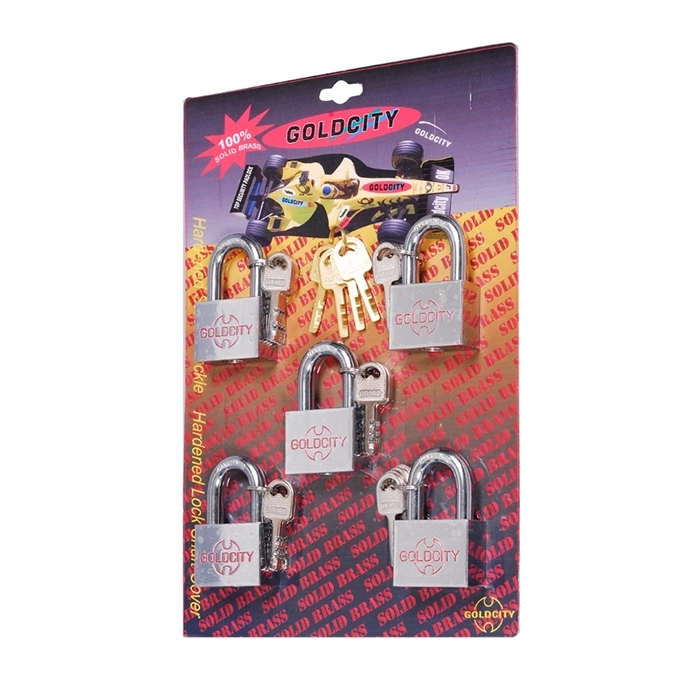
For these buyers, commercial padlocks need to be planned as part of an access system, not treated as loose hardware. That is why many B2B buyers compare master key padlock systems and keyed alike padlocks before placing a bulk order. The padlock secures the point; the keying plan decides how smoothly the site runs after installation.
GOLD CITY has been manufacturing padlocks since 1975, with annual padlock output of more than 10 million pieces and ISO9001:2015 management accreditation. For project buyers, these details matter because repeat supply, product range, and clear order communication often matter as much as unit price.
For a small store, a few separate keys may be fine. For a factory, warehouse, campus, or chain property, keys get messy fast. A supervisor may need access after a shift change. A maintenance team may carry too many keys. A new storage area may be added, but the new locks do not match the old key plan.
These are common site problems. They are not dramatic, but they waste time. In some cases, they lead to unnecessary lock replacement.
A planned keying system helps buyers manage:
· Multiple lock points across one site or several sites
· Shared access for maintenance or warehouse teams
· Manager-level access for inspection or emergency use
· Cleaner handover between departments
· Future reorders with fewer mistakes
For project buyers, this usually matters more than saving a few cents on each lock.
A master key padlock system and keyed alike padlocks both reduce key confusion, but they are used in different ways.
A master key padlock system allows one master key to open several locks in the same system. Individual locks can still have their own operating keys.
This setup fits facilities where different teams need separate access, while a manager, security lead, or site supervisor needs higher-level access. A factory may give one key group to maintenance, another to the warehouse team, and a master key to the operations manager.
Keyed alike padlocks are simpler. One key opens all padlocks in the same keyed-alike group.
This works well for storage cages, back doors, meter boxes, outdoor gates, and tool rooms where the same authorized team needs access to several points. No one wants to test six keys beside a loading dock in bad weather. A keyed-alike group keeps daily work moving.
Buying Situation | Better Keying Choice | Why It Works |
One team opens many lock points | Keyed alike padlocks | Cuts daily key handling time |
Different departments need separate keys | Master key padlock | Keeps user access divided |
Managers need backup access | Master key padlock | Supports approved emergency access |
Same lock plan across several stores | Keyed alike padlocks | Makes rollout and reorder easier |
Access differs by site or department | Mixed keying plan | Gives better control for larger projects |
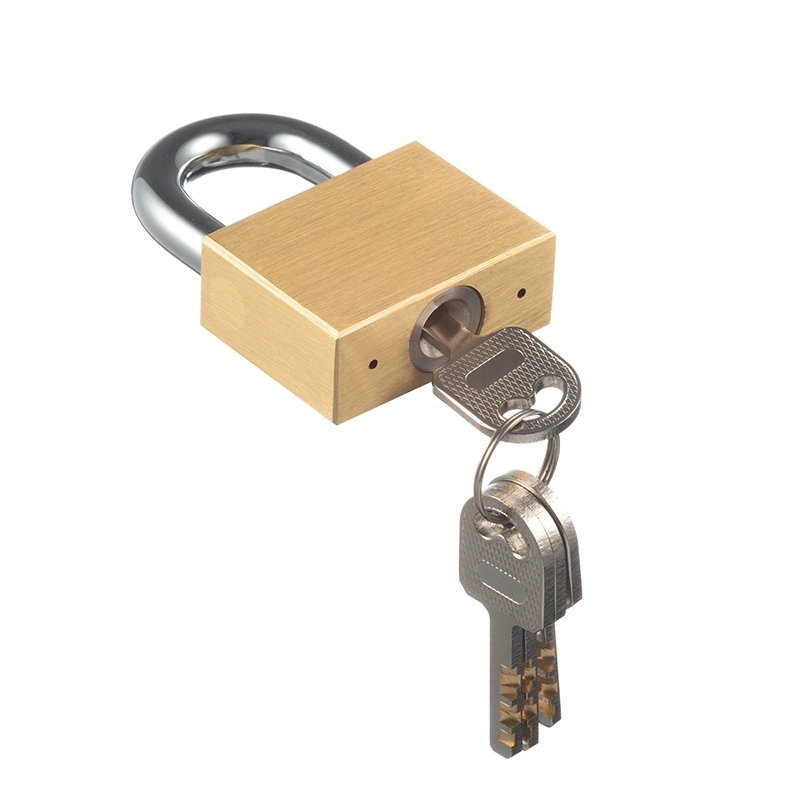
Factories use padlocks on workshops, spare-parts rooms, maintenance cages, tool cabinets, and outdoor equipment areas. A master key padlock system is useful when access needs to stay separated by department, while management still keeps controlled access across key areas.
Warehouses need speed and clear responsibility. Keyed alike padlocks are practical when one team opens several lock points during the same shift. For restricted stock rooms or supervisor-only areas, a master key system may be more suitable.
One detail should not be missed: shackle fit. A padlock can look correct in a product photo but fail to fit the actual hasp, chain, or shutter hardware. Checking shackle length and diameter before ordering saves trouble on site.
Schools and public facilities usually have mixed access needs. Grounds teams, cleaning staff, maintenance workers, and administrators may not need the same keys. A clear keying plan keeps access practical without giving every user the same level of control.
Retail chains and property managers often prefer repeatable purchasing. The same commercial padlocks, key groups, labels, and reorder records make multi-site management easier. This is where project-ready padlocks have more value than one-off retail locks.
A quotation request should include more than quantity. A simple project brief helps match the right padlock and keying plan to the job.
Buyers should confirm the use point for each lock: gate, shutter, cabinet, cage, door, or storage area. Body width, shackle length, and shackle diameter should match the actual hardware. For outdoor or exposed locations, the working environment should also be described clearly.
For keyed alike padlocks, buyers should list how many locks belong to each group. For example, key groups may be marked as KA-01, KA-02, KA-03, or by site name. For a master key padlock system, buyers should define user keys, master keys, and any department-level access.
Useful details include:
· Quantity by size
· Number of key groups
· Number of keys per group
· Master key requirement
· Spare key quantity
· Key code or previous order reference
· Packaging and labeling needs
Keeping these records is especially important for repeat orders. A second order becomes much easier when the buyer can refer to the original key group or order code.
For distributors, contractors, and facility buyers, packing is part of the project. Carton quantity, inner box style, labels, and delivery schedule affect warehouse handling and site distribution. If locks will be shipped to different sites or departments, labeling requirements should be confirmed before production.
GOLD CITY focuses on padlock manufacturing and offers a broad range of products for commercial and industrial buyers. The range includes different brass padlock styles, rolling shutter locks, plastic coated brass padlocks, combination padlocks, and square type steel ball locking brass padlocks with master key options.
For B2B buyers, this range supports flexible project matching. A warehouse project may need brass padlocks and keyed alike groups. A retail rollout may need commercial padlocks with repeatable packaging. A facility contractor may need master key padlock options for controlled access areas.
GOLD CITY’s value is not only product range. It is also the ability to discuss lock sizes, shackle needs, key groups, packing labels, and future reorder details before production. That kind of early communication helps reduce mistakes when a padlock order moves from quotation to delivery.
A facility padlock order should be planned around access control, not only price. A master key padlock system works well when managers need controlled access across different lock groups. Keyed alike padlocks are practical when one team needs one key for many lock points. For factories, warehouses, schools, property sites, and retail chains, both options can reduce key handover problems during daily operation.
GOLD CITY offers project-ready commercial padlocks for B2B buyers with bulk order needs. To prepare a more accurate quotation, buyers can send GOLD CITY the required quantity, padlock sizes, shackle details, application photos if available, keying plan, packing requirements, and delivery schedule.
Q1: What information is needed for a quotation on master key padlocks?
A: Buyers should provide quantity, padlock size, shackle details, number of lock groups, number of master keys, user key plan, application location, packing needs, and delivery schedule. A simple keying schedule helps avoid quotation mistakes.
Q2: Can keyed alike padlocks be ordered for different departments or sites?
A: Yes. Keyed alike padlocks can be arranged by group. One group may be used for warehouse cages, another for maintenance rooms, and another for retail back doors. Each group should be labeled clearly before ordering.
Q3: Are master key padlocks suitable for multi-site facility management?
A: Yes, when the access plan is clear. A master key padlock system can support manager-level access across different sites, while individual teams still use their own keys for daily work.
Q4: What should be checked before confirming bulk production?
A: Buyers should check lock size, shackle fit, keying plan, key quantity, packing method, labeling, delivery schedule, and reorder records. These details reduce installation problems and future replacement mistakes.
Q5: Why choose commercial padlocks instead of standard retail padlocks for a project?
A: Commercial padlocks are better suited to B2B projects because buyers can plan key groups, packing, labeling, and repeat orders in advance. Retail padlocks may solve one lock point, but they are harder to manage across a full facility project.
TEL: +86-573-87471884 / 87471697
FAX: +86-573-87471537
Address: No. 205 Xinjiang Road Changan Haining, Zhejiang, China
E-mail: howardshen@263.net, goldcitylock@hotmail.com
 浙公网安备33048102250808号